The Essential Guide to Choosing the Right Plants for Your Landscape Jan 15, 2026
First, understand your garden's unique conditions. Examining the amount of sunlight your garden receives is crucial. Sun-loving plants will thrive in areas that bask in sunlight for most of the day, while shade-tolerant varieties are better suited for less sunny spots. Additionally, review the soil quality, as different plants require different soil conditions. A simple soil test can reveal critical information about pH levels and nutrients, which will guide your plant selection.
The local climate plays a significant role in determining which plants will flourish. Native plants are often a wise choice because they are adapted to the local environment, requiring less maintenance and water once established. Consider drought-tolerant plants if you live in an area with dry spells, as these plants conserve water and are easier to maintain. By choosing plants that align with your climate, you create a sustainable garden.
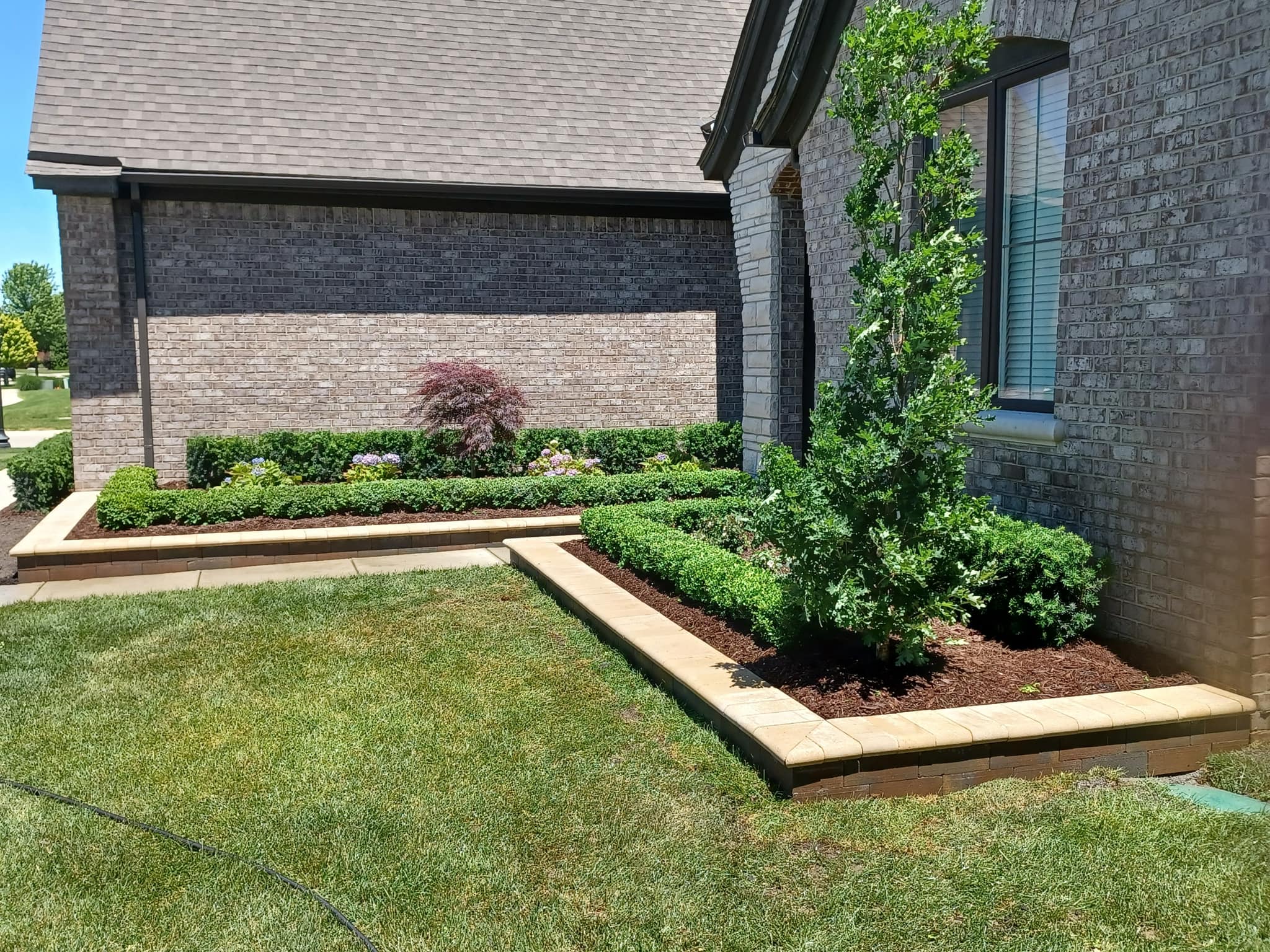
Next, think about your landscape's design and the role that each plant will play. Consider whether you want your garden to have a formal or informal look, as this will influence your choice of plants. For a more structured appearance, incorporate evergreen plants that provide year-round interest and structure. If you’re aiming for a more natural feel, integrate wildflowers and native grasses that lend a casual, meadow-like vibe.
Color is another vital element in your plant selection. Decide on a color palette that complements your home and existing landscape features. Choose plants that bloom in your preferred colors, but also consider foliage colors, which can add depth and interest even when flowers are not in bloom. Mixing various foliage textures—such as glossy vs. feathery leaves—also creates visual interest.
The size and scale of plants should correspond to the space available in your garden. Be mindful of how large a plant will grow to avoid overcrowding and maintenance issues. Smaller plants are ideal for limited spaces, while larger varieties can serve as focal points in more expansive gardens.
Plan for year-round appeal by incorporating a mix of plants that bloom at different times. Consider perennials that return each year, complemented by annuals for seasonal color. Adding evergreens ensures that your garden maintains its allure, even in winter months.
Finally, consider the level of maintenance you're willing to commit to. Opt for low-maintenance plants if you prefer a garden that requires minimal upkeep. JA Landscaping specializes in helping homeowners create landscapes that fit their lifestyle, offering solutions for every maintenance level.
In conclusion, choosing the right plants involves balancing your climate, landscape design, and personal preferences. By thoughtfully selecting plants that are suited to your environment and visual goals, you can create a landscape that not only looks beautiful but is also easy to maintain. At JA Landscaping, we are dedicated to helping you transform your outdoor space into a thriving garden that reflects your vision. Whether you're a seasoned gardener or a beginner, the key is to start with the right plants that will grow and flourish in your unique space.
/filters:no_upscale()/filters:format(webp)/media/62ca1e95-c9d3-4293-87fe-479c54fd0b6b.jpg)
/filters:no_upscale()/filters:format(webp)/media/bce24a95-4e23-4abe-b418-b61e0b9f61e1.jpg)