Eco-Conscious Garden Layouts: Designing for the Future with JA Landscaping Feb 03, 2026
The journey towards a sustainable garden begins with a thoughtful layout. A well-planned landscape not only adds aesthetic value but also ensures minimal environmental impact. By prioritizing native plants and water-efficient irrigation systems, your garden can thrive with less maintenance and reduced water usage. Native plants, in particular, play a crucial role as they are naturally adapted to local climate conditions and soil types, requiring less intervention to flourish. This approach not only reduces the ecological footprint but also supports local wildlife and pollinators.
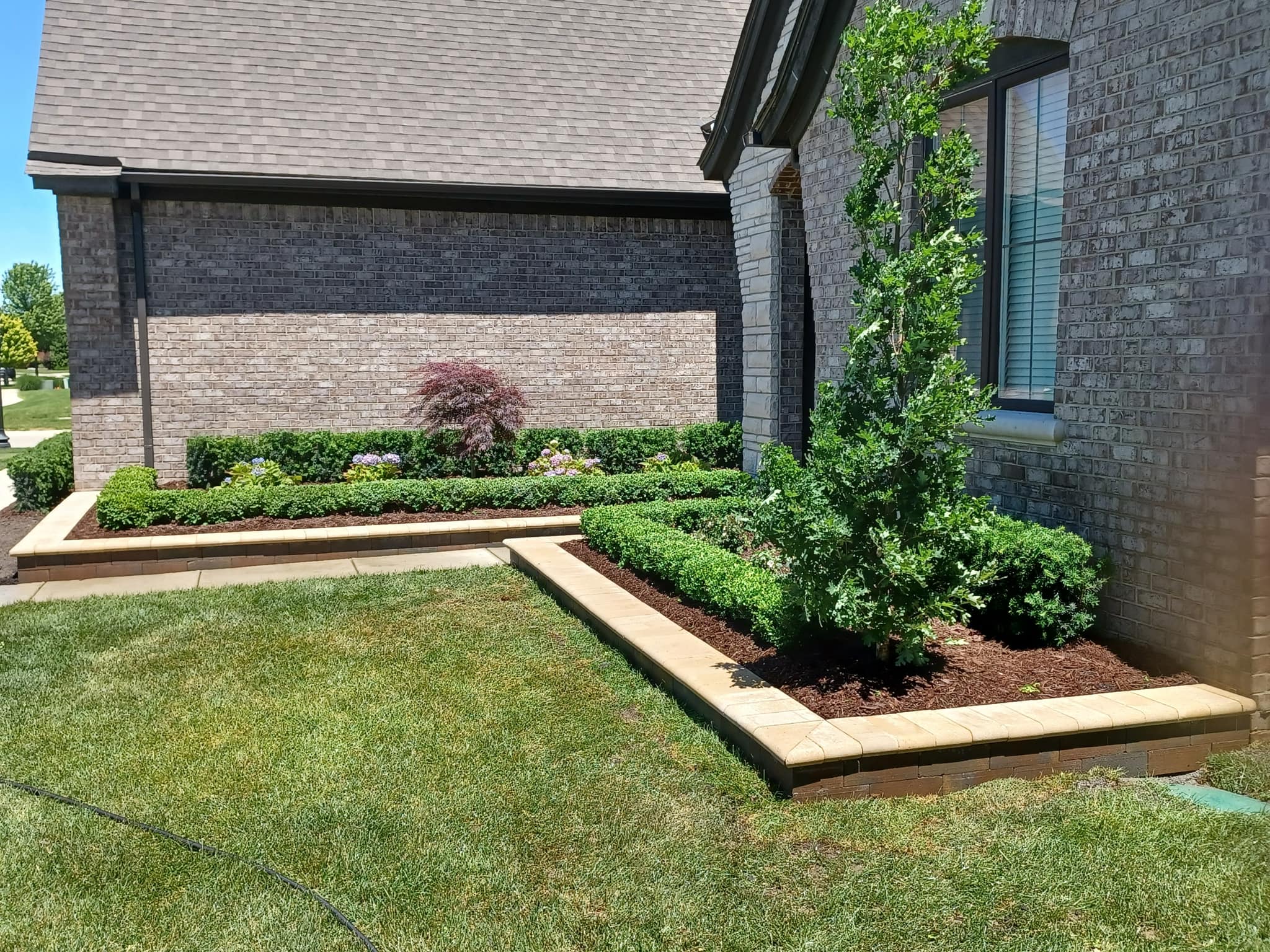
Incorporating a mix of green spaces and hardscapes is another key element to consider. Hardscapes—such as walkways, patios, and retaining walls—help define spaces within your garden while also contributing to its sustainability. Permeable materials like gravel or permeable pavers allow rainwater to filter through the ground, mitigating runoff and thus reducing soil erosion. Combining these hardscapes with drought-resistant plants allows for a harmonious balance between practicality and nature.
Water conservation is essential in eco-conscious garden layouts. By installing smart irrigation systems, you can monitor and manage water usage effectively, ensuring your garden receives just the right amount of water. Drip irrigation systems are especially beneficial as they deliver water directly to the base of plants, minimizing evaporation and runoff. Additionally, rainwater harvesting systems can be integrated into your layout to capture and reuse rainwater, offering a cost-effective solution to water your garden.
Soil health is another critical component of sustainable gardening. Healthy soil fosters robust plant growth, resists disease, and maintains an ecosystem's balance. At JA Landscaping, we recommend regular soil testing to evaluate nutrient levels and soil composition. This information assists in developing an effective fertilization plan that uses organic, slow-release fertilizers, boosting soil fertility without causing harm to the environment.
Creating biodiversity within your garden is a step towards resilience and beauty. Diverse plant species attract various insects and birds, establishing a balanced ecosystem. Consider planting flowering shrubs and perennials that bloom at different times of the year to provide a continuous food source for pollinators. This not only enhances the ecological value of your garden but also its visual appeal throughout the seasons.
Lastly, regular maintenance with eco-friendly practices is the key to preserving the health of your garden. Implementing practices such as composting organic waste from your garden and using mulches can improve soil health and suppress weeds naturally. At JA Landscaping, we advocate for natural pest control methods, such as introducing beneficial insects and using non-toxic treatments, to maintain a healthy landscape without compromising its ecological integrity.
In conclusion, an eco-conscious garden layout is an investment in both the environment and your home. By choosing sustainable practices, you contribute to a healthier planet while creating a tranquil space that can be enjoyed for generations to come. Partnering with JA Landscaping ensures your outdoor areas are not only beautiful and functional but are also designed with the future in mind. Transform your garden into a sustainable sanctuary that thrives in harmony with nature, reflecting both your style and commitment to the environment.
/filters:no_upscale()/filters:format(webp)/media/62ca1e95-c9d3-4293-87fe-479c54fd0b6b.jpg)
/filters:no_upscale()/filters:format(webp)/media/bce24a95-4e23-4abe-b418-b61e0b9f61e1.jpg)